
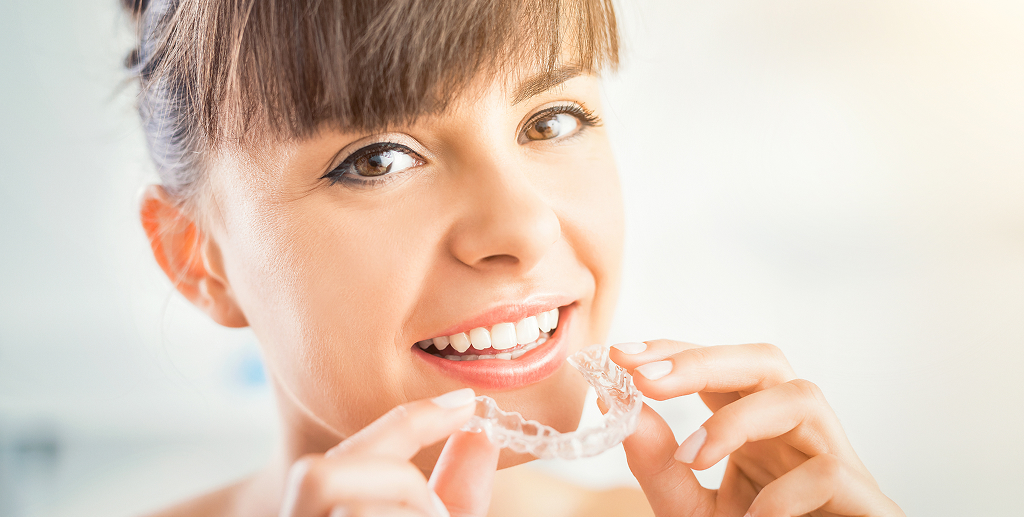
Overbites are often seen as a cosmetic concern, but they can quietly affect chewing efficiency, jaw alignment, and long-term oral health. Many people assume traditional braces are the only solution, yet modern approaches like Invisalign offer a subtler way to address bite issues. What’s rarely discussed is how individual jaw structure, tooth movement patterns, and daily habits influence whether Invisalign can truly correct an overbite—making informed decisions about treatment more complex than most realize.
Understanding Overbites
An overbite occurs when the upper front teeth overlap the lower front teeth more than normal, but the impact goes beyond appearance. Many people don’t realize that overbites can influence jaw function, cause uneven tooth wear, and even contribute to headaches or jaw discomfort over time. Overbites develop for a variety of reasons—genetics, childhood habits like thumb-sucking, tongue thrusting, or prolonged pacifier use, and the natural growth patterns of the jaw. Mild overbites may be barely noticeable, while deep overbites can affect both function and facial aesthetics. What’s rarely discussed is how subtle overbite shifts can continue into adulthood, making early detection and targeted correction critical for long-term oral health.
Can Invisalign Fix an Overbite?
Invisalign can be an effective tool for correcting many overbites, but its success depends on several factors often overlooked. Mild to moderate overbites respond well because the aligners can gradually shift teeth without major skeletal changes. Deep overbites, however, may require additional techniques, such as elastics or minor attachments, to achieve proper bite alignment. What many don’t realize is that the underlying jaw structure and bite dynamics play a critical role—teeth may move, but the jaw may resist change. Age is another factor; teens often see faster results due to ongoing bone growth, while adults may require more time and careful monitoring to ensure predictable outcomes with Invisalign.
Invisalign vs. Traditional Braces for Overbite
Both Invisalign and traditional braces can correct overbites, but they work in fundamentally different ways. Braces use fixed brackets and wires to apply continuous pressure, which can be more precise for complex bite issues but often requires longer adjustment periods. Invisalign, in contrast, relies on a series of removable aligners that gradually shift teeth, offering more comfort and flexibility for daily life. What’s rarely discussed is how subtle bite forces and muscle patterns affect each method differently—Invisalign requires consistent wear and careful monitoring, while braces allow orthodontists to make real-time adjustments. Treatment duration, oral hygiene, and lifestyle considerations also play a crucial role in deciding the best approach.
Realistic Expectations and Outcomes
When considering Invisalign for overbite correction, it’s important to understand that results vary widely based on individual factors, and many subtle influences are rarely discussed. Here are key points to keep in mind for realistic expectations:
- Gradual Change is Normal
Invisalign works by applying gentle, incremental pressure to move teeth. Unlike braces, which can make more noticeable adjustments at each visit, aligners create subtle shifts over weeks. Expect small changes to appear first in tooth alignment, followed by gradual bite improvement. - Severity Affects Timeline
Mild overbites often respond in 6–12 months, while moderate to deep overbites can take 12–24 months or longer. The complexity of jaw structure, bite forces, and prior dental work all influence treatment speed. - Consistency is Crucial
Aligners must be worn 20–22 hours per day to achieve results. Even brief periods without wear can slow progress and extend treatment duration. - Age and Bone Growth Matter
Teens and young adults often see faster, more predictable results due to ongoing bone development. Adults may require additional attachments, elastics, or minor adjustments to reach the same outcome. - Jaw and Muscle Patterns Influence Results
Teeth don’t exist in isolation. Bite forces from chewing, clenching, and jaw habits affect how teeth move. Some patients may experience slower movement if strong muscle patterns resist realignment. - Realistic Aesthetic Outcomes
Invisalign can significantly improve smile appearance, but it may not fully address every aesthetic concern in cases of deep overbite or uneven jaw structure. Minor cosmetic adjustments after treatment, like reshaping or bonding, may be recommended. - Maintenance After Treatment
Results are not permanent without retention. Wearing a retainer as instructed prevents relapse and maintains both bite alignment and overall smile aesthetics. - Monitoring Progress is Key
Regular check-ins with an orthodontist or dentist ensure that teeth are moving as planned, and any necessary mid-course corrections can be applied early to avoid extended treatment or compromised results. - Expect Minor Discomfort
Pressure, slight soreness, or temporary speech changes are common during aligner transitions. These are normal and indicate that teeth are responding to treatment.
This approach helps patients set realistic expectations and better understand how daily habits, biology, and consistent care impact the long-term success of Invisalign overbite correction.
How to Maximize Invisalign Results for Overbite Correction
Achieving the best outcome with Invisalign requires more than just wearing the aligners—it involves mindful daily habits and proactive care. Wearing your aligners consistently, for 20–22 hours each day, is the most critical factor in moving teeth efficiently. Avoid skipping aligner sets or removing them for extended periods, as this can delay progress.
Maintaining excellent oral hygiene protects teeth and gums, preventing complications that could interfere with treatment. Minimizing habits like nail-biting, chewing ice, or grinding your teeth reduces unnecessary stress on aligners and your teeth. Regular dental check-ins allow your dentist to monitor progress and make adjustments if needed. Combining consistent aligner use, careful habits, and professional oversight maximizes results and ensures your overbite correction is as predictable and lasting as possible.
Conclusion
Invisalign can be a highly effective option for correcting overbites, but success depends on factors often overlooked, including bite severity, jaw structure, age, and daily habits. Understanding these influences helps set realistic expectations for treatment timelines, results, and maintenance. While Invisalign offers a more discreet and flexible approach than traditional braces, consistent use and careful monitoring are essential for long-term success. If you’re considering overbite correction or want to explore whether Invisalign is right for you, visit Austin Family Dentistry or call (512) 218-1130 to schedule an appointment and discuss your personalized treatment options.