
Oral cancer often develops silently, with early signs so subtle they can go unnoticed even by those who visit the dentist regularly. Many people assume screenings are only necessary for high-risk individuals, but anyone can be affected. What’s rarely discussed is how routine oral exams detect hidden changes in tissue long before symptoms appear, giving patients a critical advantage. Understanding why these screenings matter can transform them from a routine appointment into a potentially life-saving practice.
Understanding Oral Cancer
Oral cancer can affect any part of the mouth, including the lips, tongue, gums, and throat, and it often develops without pain or obvious symptoms in its early stages. Many people don’t realize that risk factors extend beyond tobacco and alcohol use—HPV infections, chronic irritation from dental issues, poor nutrition, and even genetics can play a role. Early-stage oral cancer may appear as small white or red patches, persistent sores, or subtle changes in texture that go unnoticed. What’s seldom discussed is how these changes can be microscopic or hidden in less visible areas, making professional screenings essential. Awareness of these risks and subtle signs is key to early detection and improved outcomes.
The Importance of Oral Cancer Screenings
Oral cancer screenings are more than a routine check—they are a proactive step that can detect changes long before symptoms appear. Many cases are discovered in early stages purely because a dentist noticed subtle tissue changes invisible to the patient. What’s rarely discussed is that screenings also identify precancerous conditions, giving patients the chance to intervene before cancer develops. Screenings benefit all age groups, including teens at risk from HPV, and adults who may unknowingly have risk factors like chronic irritation or lifestyle habits. Regular exams provide a baseline for your oral health, making it easier to spot even the smallest changes over time, dramatically improving outcomes.
What Happens During an Oral Cancer Screening
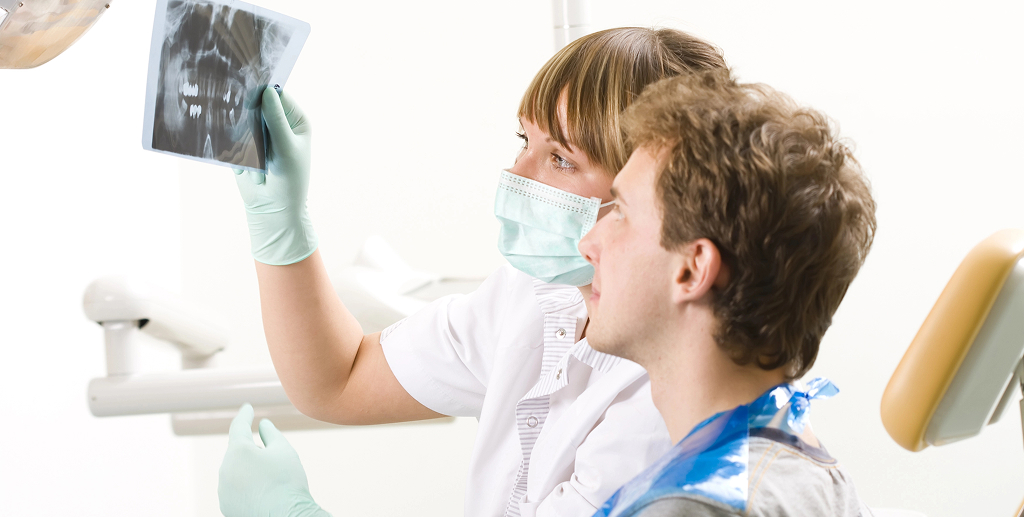
An oral cancer screening is quick, non-invasive, and often reveals more than patients expect. Dentists carefully examine the lips, tongue, gums, cheeks, and throat for unusual patches, lesions, or texture changes. What’s rarely highlighted is how they also check for subtle asymmetries or areas of chronic irritation that could signal early-stage disease. In some cases, advanced tools like specialized lights, imaging devices, or other diagnostic technologies are used to detect changes invisible to the naked eye. If anything suspicious is found, the dentist may recommend a biopsy or refer you to a specialist. These screenings not only detect cancer early but also provide valuable insight into overall oral health.
Benefits Beyond Detection
While oral cancer screenings are essential for catching disease early, their value extends far beyond detection. Many benefits are overlooked, yet they play a crucial role in maintaining overall oral and systemic health. Beyond cancer prevention, these screenings also promote patient education, early intervention for other oral issues, and long-term monitoring. Here are some of the ways routine screenings help patients in ways few consider:
- Identifying Precancerous Changes Early
Screenings can reveal subtle tissue changes before they become malignant, allowing intervention at a stage when treatment is simpler and outcomes are far better. - Detecting Other Oral Health Issues
During a screening, dentists often notice chronic irritation, unusual lesions, or inflammation that may indicate other conditions like fungal infections, vitamin deficiencies, or autoimmune disorders. - Tracking Long-Term Oral Health Trends
Regular exams create a record of tissue and mouth health, making it easier to detect gradual changes over time that could indicate risk factors beyond cancer. - Promoting Preventive Habits
Patients are often advised on lifestyle adjustments such as reducing tobacco and alcohol use, improving oral hygiene, and managing diet to lower oral cancer risk, which also improves general dental health. - Reducing Anxiety Through Awareness
Knowing that your mouth has been thoroughly examined provides peace of mind and reduces the stress associated with undetected issues. - Encouraging Timely Medical Intervention
If a potentially concerning area is found, early referral to a specialist or biopsy can prevent progression, allowing for treatments that are less invasive and more effective. - Educating Patients About Risk Factors
Screenings offer an opportunity for personalized education on risk factors, including HPV exposure, genetics, and lifestyle choices, which patients might otherwise overlook. - Supporting Overall Health Monitoring
Oral changes can reflect systemic health issues, such as diabetes or immune deficiencies, making screenings valuable for more than just cancer detection.
By viewing oral cancer screenings through a broader lens, patients gain not only early detection benefits but also comprehensive insights that contribute to long-term oral and overall health, while fostering preventive habits, reducing anxiety, improving overall quality of life, encouraging regular dental visits, supporting timely medical interventions, and enhancing awareness of personal risk factors for oral and systemic conditions.
Common Misconceptions About Oral Cancer Screenings
Many people assume oral cancer screenings are only necessary if symptoms are present, but early-stage cancer often develops silently. Another common misconception is that only older adults or tobacco users need regular exams, yet HPV-related cases and other risk factors can affect younger individuals as well. Some believe the screening is invasive or uncomfortable, when in reality it’s quick, painless, and non-invasive. Others think that a healthy-looking mouth guarantees safety, overlooking subtle tissue changes invisible to the untrained eye. Understanding these myths helps patients take screenings seriously, recognize the value of routine exams, and appreciate that prevention and early detection are far more effective than treating advanced disease.
Final Thoughts: Taking Charge of Your Oral Health
Oral cancer screenings are a vital part of proactive dental care, offering far more than just early detection. They help identify precancerous changes, reveal hidden oral health issues, and provide personalized guidance on prevention and lifestyle adjustments. Many people don’t realize that regular exams also give peace of mind and track subtle changes over time, improving overall oral and systemic health. Prioritizing these screenings can make a significant difference in long-term outcomes. To take control of your oral health and ensure early detection, visit Austin Family Dentistry or call us (512) 218-1130 to schedule your oral cancer screening today.