
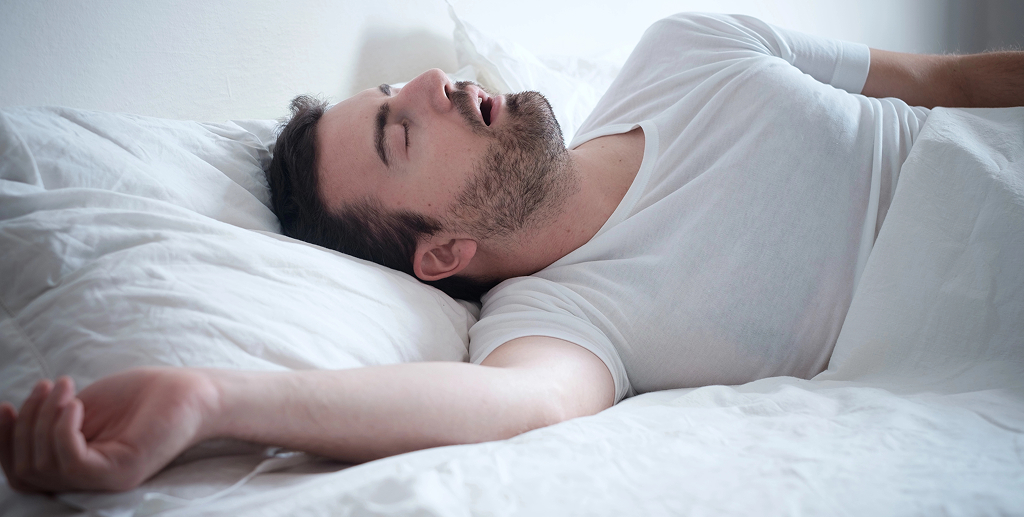
Many people think of dentists as only focusing on teeth and gums, but they play a critical role in detecting conditions that extend beyond oral health. Sleep apnea is one such condition—often silent, potentially dangerous, and overlooked until serious complications arise. Dentists can spot early signs that most patients never notice, from subtle jaw alignment issues to wear patterns on teeth, making routine dental visits a unique opportunity for life-changing early detection.
Understanding Sleep Apnea: What It Is and Who Is at Risk
Sleep apnea is more than just loud snoring—it’s a potentially serious sleep disorder where breathing repeatedly stops and starts during the night. While many people associate it with obesity or age, dentists often notice risk factors that go unnoticed elsewhere, such as a narrow jaw, recessed chin, or enlarged tongue that can partially block the airway. Family history also plays a role, and even children with enlarged tonsils or adenoids can be affected. Beyond the typical daytime fatigue, subtle signs like morning jaw soreness, worn tooth enamel from nighttime grinding, or chronic dry mouth can indicate disrupted breathing during sleep. Recognizing these early signs is crucial for timely intervention and long-term health.
How Dentists Can Spot Sleep Apnea Early
Dentists are in a unique position to notice early signs of sleep apnea that often go undetected by patients. During routine exams, they can observe worn tooth enamel or cracked teeth caused by nighttime grinding, a common consequence of disrupted breathing. They also assess jaw alignment, tongue size, and palate shape, which can contribute to airway obstruction. Soft tissue evaluations, including the uvula and tonsils, provide additional clues. Dentists may ask about snoring, restless sleep, or morning headaches, connecting these patterns to oral findings. By combining visual examination with patient history, dentists can identify risk factors for sleep apnea before more serious symptoms, such as high blood pressure or chronic fatigue, become apparent.
Common Sleep Apnea Symptoms Your Dentist Notices
Dentists often detect subtle signs of sleep apnea that many patients don’t recognize themselves. These indicators may show up during routine dental exams and can reveal patterns of disrupted sleep or airway issues. Some of the most telling symptoms include:
- Worn or Cracked Teeth: Frequent grinding or clenching (bruxism) can occur as the body unconsciously responds to airway obstruction during sleep. Dentists may notice uneven enamel wear, chips, or cracked teeth that aren’t explained by diet or habits alone.
- Jaw Pain or TMJ Discomfort: Strain on the jaw muscles from nighttime clenching can cause persistent soreness, clicking, or limited jaw movement. This discomfort can be an early clue of sleep-related breathing issues.
- Dry Mouth or Sore Throat: Mouth breathing during sleep, often caused by blocked nasal airways, can leave the oral tissues dry and irritated. Patients may wake with a scratchy throat, which dentists can identify as a potential sleep apnea sign.
- Enlarged Tongue or Palate: A larger tongue or high, narrow palate can restrict airflow. Dentists can spot these anatomical features during exams, which are often overlooked in general health check-ups.
- Signs of Fatigue or Headaches: Patients may report chronic morning headaches, brain fog, or daytime sleepiness. Dentists can correlate these complaints with oral signs like grinding, dry mouth, or jaw strain.
- Snoring Observations: Even if patients are unaware, dentists can detect indicators of snoring patterns by discussing sleep history or noticing physical markers like a worn soft palate.
- Gum and Tissue Issues: Chronic inflammation in the gums or throat tissues may indicate repeated oxygen deprivation during sleep. Dentists can spot redness, swelling, or unusual wear that aligns with sleep disruptions.
- Bite Alignment Concerns: Misaligned bites or crowded teeth can contribute to airway obstruction. Dentists assess bite patterns and jaw positioning to determine potential sleep apnea risk.
- Behavioral Clues Reported by Family: Sometimes a spouse or parent notices pauses in breathing, restless movements, or unusual sleep positions. Dentists use these observations to connect oral findings with potential sleep disorders.
These signs, when combined, give dentists a clear picture of possible sleep apnea before it’s formally diagnosed, allowing patients to seek early evaluation and care.
The Sleep Apnea Screening Process During a Dental Visit
During a dental visit, screening for sleep apnea goes beyond a simple questionnaire. Dentists begin by reviewing medical history and asking about sleep patterns, snoring, and daytime fatigue. They then perform a thorough oral examination, checking for worn teeth, jaw misalignment, tongue size, and soft tissue conditions that could indicate airway obstruction. Some dentists use digital imaging or oral airway measurements to assess space for proper airflow. Patient-reported symptoms, combined with physical findings, help dentists identify those at higher risk. If signs point to possible sleep apnea, the dentist can coordinate with a sleep specialist for formal testing, ensuring early evaluation before complications arise.
Treatment Options Dentists Can Offer or Facilitate
Dentists can play a pivotal role in managing sleep apnea through non-invasive interventions. One common option is custom oral appliances, which reposition the jaw and tongue to keep the airway open during sleep. Dentists also provide guidance on lifestyle adjustments, such as reducing alcohol before bedtime or changing sleep positions, which can improve airflow. For more complex cases, they collaborate with sleep physicians to coordinate CPAP therapy or refer patients for surgical evaluation if needed. Dentists can monitor oral health impacts of sleep apnea treatments, like appliance fit, jaw strain, or teeth grinding, ensuring both comfort and effectiveness while helping prevent long-term dental complications.
When to Consult Your Dentist About Sleep Apnea
You should consider discussing sleep apnea with your dentist if you notice persistent signs like loud snoring, pauses in breathing during sleep, or waking up with headaches or dry mouth. Jaw pain, teeth grinding, or worn enamel are also red flags that dentists can evaluate for underlying sleep issues. Individuals with risk factors such as high blood pressure, obesity, or a family history of sleep apnea may benefit from early consultation. Even subtle changes in bite alignment or tongue positioning can signal airway obstruction. Bringing these concerns to your family dentist in Austin allows for early screening and timely referral to a sleep specialist if needed, supporting both dental and overall health.
Conclusion
Dentists are often the first to notice the early signs of sleep apnea, from worn teeth and jaw discomfort to tongue or palate issues that affect breathing. Identifying these symptoms during routine dental visits can lead to early intervention, preventing long-term health complications like fatigue, cardiovascular problems, and teeth damage. By paying attention to subtle oral and behavioral signs, your dentist can guide you toward proper evaluation and treatment before the condition worsens. If you or a loved one notice any signs of sleep apnea, don’t wait—visit Austin Family Dentistry or call (512) 218-1130 to schedule an appointment and take the first step toward better sleep and overall health.