
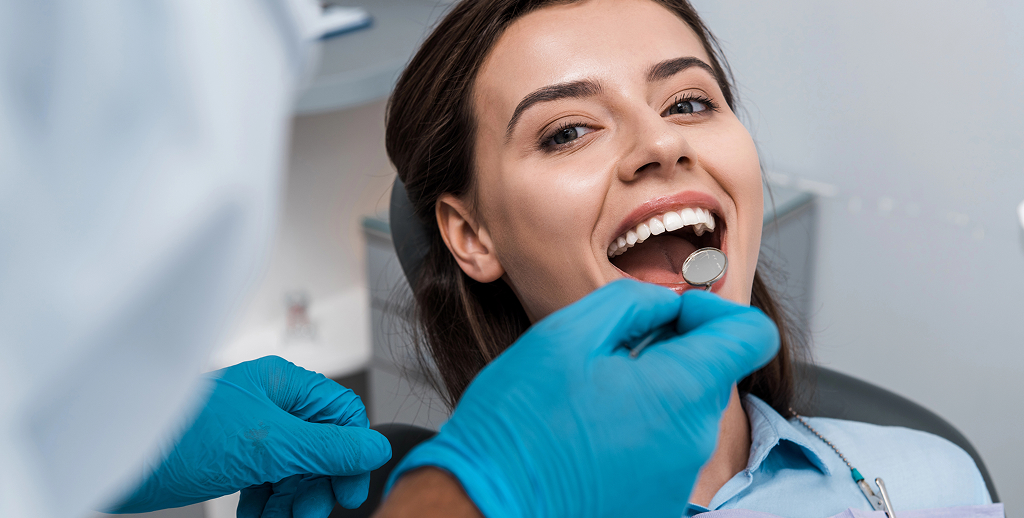
Travel often disrupts more than schedules—it can subtly affect the health and longevity of dental work. Changes in routine, diet, and hydration, combined with pressure and temperature shifts during flights or long drives, can put crowns, veneers, implants, and bridges at risk. Understanding these hidden challenges and preparing in advance allows travelers to protect their dental restorations, prevent minor issues from becoming emergencies, and maintain optimal oral health while on the move.
Understanding How Travel Affects Dental Work
Travel can create subtle stresses on dental restorations that are often overlooked. Changes in air pressure during flights can slightly expand or contract dental materials, which may increase sensitivity in crowns or veneers. Shifts in routine—like irregular brushing, skipping flossing, or relying on packaged foods—can expose teeth to higher levels of sugar and acid, putting both natural teeth and restorations at risk. Dehydration, common during long trips, reduces saliva flow, which normally protects against decay and helps maintain the stability of implants and bridges. Even minor shifts in bite forces from fatigue or uneven chewing while on the go can affect the fit of crowns or temporary restorations. Recognizing these impacts is the first step in protecting dental work while traveling.
Handling Emergencies Away From Home
Dental emergencies can happen at any time, and being away from your regular dentist adds complexity. Knowing how to respond quickly can prevent small issues from becoming serious problems. For example, a loose crown or chipped veneer can often be temporarily stabilized with dental wax or sugar-free gum until professional care is available. Traveling with a list of local dental clinics or emergency contacts in your destination can save critical time. Pain or swelling may indicate infection, which requires prompt attention. Keeping essential tools in a travel dental kit—such as floss, a soft-bristled brush, and antiseptic rinse—helps manage minor issues while ensuring your dental restorations remain protected until proper treatment can be received.
Daily Care Tips for Maintaining Dental Work While Traveling
Maintaining dental work while traveling requires more than just brushing and flossing. Small adjustments to routine and careful planning can prevent damage to crowns, veneers, implants, and bridges. Many travelers overlook the cumulative effects of diet, dehydration, and inconsistent oral care. Here are practical, often under-discussed strategies to protect your dental restorations on the go:
- Bring a portable dental kit
Include a travel toothbrush, toothpaste, floss, interdental brushes, and a small bottle of mouthwash. Compact tools ensure you can maintain your regular hygiene routine anywhere, even in airports, hotels, or long car trips. - Stick to a consistent cleaning schedule
Avoid skipping brushing or flossing due to irregular travel schedules. Even one missed session can increase plaque buildup around dental work, leading to decay or gum irritation. - Protect crowns, veneers, and bridges from stress
Avoid biting directly into hard foods like nuts, ice, or hard candy. Chewing on uneven surfaces, such as during travel meals, can place pressure on restorations and potentially cause fractures. - Stay hydrated
Dehydration reduces saliva, which naturally protects teeth and dental work. Carry water and sip regularly, particularly during flights or long drives. - Use fluoride rinses or gels when possible
These products help strengthen enamel and provide extra protection for areas around crowns, bridges, and veneers, especially if brushing opportunities are limited. - Monitor for early signs of problems
Pay attention to sensitivity, minor cracks, or loosening of dental work. Early recognition allows you to manage issues before they become urgent. - Be mindful of sticky or sugary snacks
Travel often encourages snacking on sweets, dried fruits, or granola bars. These can stick to dental restorations and increase the risk of decay around crowns or between bridges. - Consider a protective night guard for long trips
If you grind your teeth at night, wearing a guard while sleeping, even in unfamiliar environments, helps prevent damage to implants, crowns, and veneers.
These small, intentional steps can significantly reduce stress on dental work, keeping teeth healthy and restorations secure throughout travel.
Special Considerations for Dental Implants
Dental implants require extra attention while traveling because their stability depends on healthy surrounding bone and soft tissue. Unlike natural teeth, implants lack a protective ligament, so inflammation or infection around the implant can develop quickly if hygiene is inconsistent. Travel routines can increase the risk of plaque buildup, especially around the gum line. Using soft-bristled brushes and interdental tools helps remove debris without damaging the implant crown or surrounding tissue. Additionally, sudden changes in diet—like increased consumption of sticky or hard foods—can place unusual stress on the implant. Monitoring for early signs of irritation, swelling, or discomfort while away from home allows for timely intervention and protects long-term implant success.
Planning Ahead for Stress-Free Dental Travel
Preparation is key to protecting dental work while traveling. Scheduling a dental checkup before your trip ensures that crowns, veneers, bridges, or implants are secure and any potential issues are addressed in advance. Packing a comprehensive dental travel kit—including toothbrushes, floss, interdental brushes, fluoride rinse, and dental wax—allows you to maintain care on the go. Researching local dental clinics at your destination provides peace of mind in case of emergencies. Additionally, planning meals and snacks to avoid excessively hard, sticky, or sugary foods can reduce stress on restorations. By anticipating challenges and establishing simple routines, you can travel confidently while keeping your smile healthy and protected.
Final Thoughts: Maintaining Your Smile On the Go
Travel doesn’t have to compromise the health or longevity of your dental work. By planning ahead, maintaining consistent oral hygiene, protecting crowns, veneers, bridges, and implants, and knowing how to handle minor issues on the go, you can enjoy your trip comfortably and safely without risking damage or discomfort. Small, intentional steps—like carrying a travel dental kit and staying well hydrated—make a significant difference in preventing problems while away from home. For personalized guidance on caring for your dental restorations or to discuss strategies specifically tailored to your individual needs, schedule a consultation at our office Austin Family Dentistry or call us at (512) 218-1130 to book an appointment today.